• Skip to secondary menu
  • Skip to main content
logo-removebg-preview.png

COLLEGE OF MICRONESIA

LAND GRANT PROGRAM
Contact us: (691) 3202462/2728
P.O Box 1179 Kolonia,Pohnpei FM 96941
  • COLLEGE OF MICRONESIA LAND GRANT PROGRAM
  • COLLEGE OF MICRONESIA LAND GRANT PROGRAM
  • COLLEGE OF MICRONESIA LAND GRANT PROGRAM
  • COLLEGE OF MICRONESIA LAND GRANT PROGRAM
  • COLLEGE OF MICRONESIA LAND GRANT PROGRAM
  • Home
  • About Us
    • Org. Chart
      • COMLG CENTRAL – ORG. CHART
    • Who is NIFA, COM Land Grant, and what do we do
    • COM Land Grant Administration
    • COM Land Grant Board of Regents
    • College of the Marshall Islands Cooperative Research and Extension Program
    • College of the Micronesia – FSM & Land Grant Program
    • Palau Community College Land Grant Program
    • College of Micronesia Land Grant locations map
    • Frequently asked questions
    • Contact Us
  • Land Grant people
    • All College of Micronesia Land Grant People
    • College of Micronesia Land Grant Program Administration
    • College of Micronesia-FSM Land Grant Administration
    • COM-FSM Chuuk Campus People
    • COM-FSM Kosrae Campus People
    • COM-FSM Pohnpei Campus People
    • COM-FSM Yap Campus People
    • College of Marshall Islands People
    • Palau Community College people
  • Research
    • Marshall Islands Agricultural Research Station
    • College of Micronesia – FSM – Research
      • Chuuk Agricultural Experiment Station
      • Kosrae Agricultural Experiment Station
      • Pohnpei Agricultural Experiment Station
      • Yap Agricultural Experiment Station
    • Palau Agricultural Experiment Station
    • Special Research Projects
  • Extension
    • College of the Marshall Islands – Extension
    • College of Micronesia – FSM – Extension
      • Chuuk Cooperative Extension Service
      • Kosrae Cooperative Extension Service
      • Pohnpei Cooperative Extension Service
      • Yap Cooperative Extension Service
    • Palau Community College – Extension
  • Instruction
    • College of the Marshall Islands – Resident Instruction
    • College of Micronesia – FSM – Resident Instruction
    • Palau Community College – Resident Instruction
  • Publications
  • Links
    • College of the Marshall Islands
    • College of Micronesia – FSM
    • Palau Community College
    • Agriculture Development in the American Pacific (ADAP)
    • Center for Tropical and Subtropical Aquaculture (CTSA)
    • USDA NIFA
    • USDA NIFA Reporting Portal
    • Association of Public Land-Grant Universities – APLU
    • Western Sustainable Agriculture Research and Education
  • Jobs
  • Program Impacts & Success Stories
  • Calendar
  • RFP
  • Policies
  • Information & updates

News from land grants

Pearl farm management and halfpearl seeding training in Pakin Atoll, Pohnpei State, February 5-7, 2104

March 1, 2014

KOLONIA, POHNPEI, FSM. Dr. Manoj R. Nair (1) and Justino Smith (2)

(1) Director & Chief Scientist, COM Land Grant Aquaculture Programs, Nett Point, Pohnpei, FSM
(2) Senior Aquaculture Extension Agent, COM–FSM Pohnpei Campus, Pohnpei, FSM

As part of a joint project between College of Micronesia Land Grant Porgram (NIFA, USDA) (COMLG), Pakin Community Association (PCA) , Office of the Fisheries and Aquaculture, Pohnpei State (OFA), Conservation Society of Pohnpei (CSP) funded by Small Grants Program (SGP) under the Global Environment Fund (GEF), United Nations, a team from COMLG and OFA led by Dr. Manoj R. Nair, Chief Scientist and Aquaculture Project Director, COMLG, visited Pakin Atoll in Sokehs District of Pohnpei State from February 5-7, 2014 to provide hands-on training for pearl farm management and half pearl seeding training to community members on Pakin. As part of the excersise several members of the community were retrained in pearl farm nursery management and farm maintanance techniques. In addition 6 pre-sleected candidates were (3 girls and 3 boys) imparted hands on skill training in half pearl seeding training by COMLG personnel. The nursery husbandry technique training involved teaching the community how to handle oysters more efficiently while cleaning without stressing and damaging the oysters. They were further taught making chaplets, drilling oysters without damage, hanging oysters, fixing longlines etc..
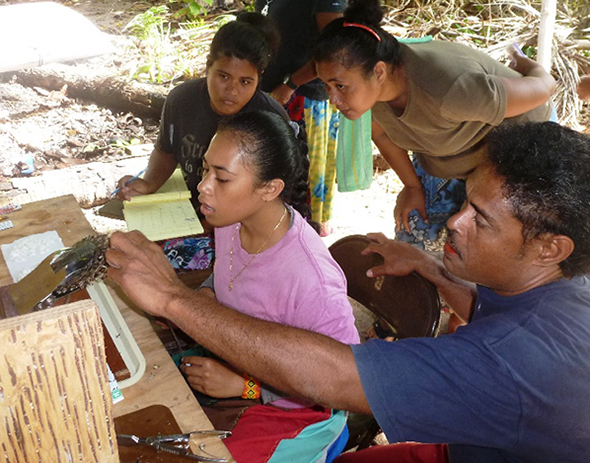
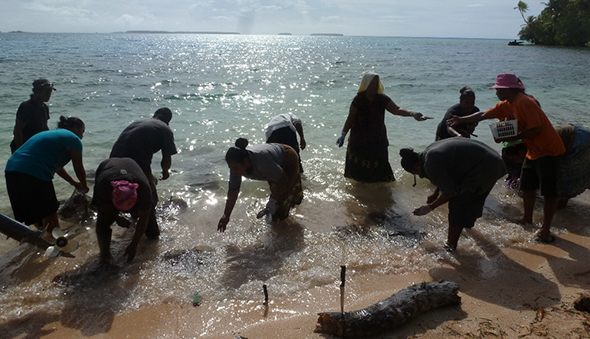
COMLG Team member Clayton imparting training on half pearl seeding to trainee Kayleen.


Community member getting trained in handling oysters while cleaning.

Six trainees were imparted skill training in half pearl seeding. They were taught different aspects of pearl biology and half pearl seeding, how to handle tools, keep records, post operative care of oysters etc.. Two Master Technicians imparted hands on training to the six trainees. The trainees combinly seeded 97 oysters implanting 5-6 half pearl nuclei per oyster. Each trainees performance has been carefully recorded by the team and oysters tagged. This data will allow the team to monitor individual trainee performance to assess and evaluate them and seleact a couple among the six to further train them and thereby attaining confidence to seed all the current and future oysters for the Pakin Community farm thereby making them self-sufficient as far as half pearl seeding is concerened.
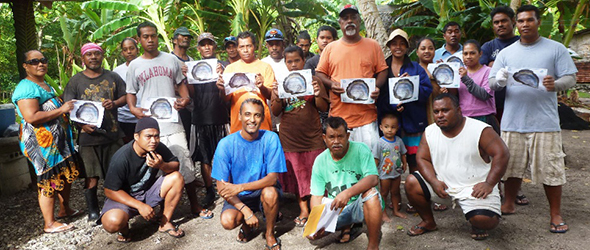
COMLG Team with the community member trainees during the certificate ceremony.

The team wishes to thank the GEF program for their funding support, Executive Director, COMLG (NIFA, USDA) and Adminstrator, OFA for their in-kind contribution for this project. Special thanks are also due to Mr. Masahiro Ito, former Director and Chief Scientist COMLG Aquaculture Programs for his valuable inputs in this project’s conceptulization, design and its initial initiation. The team further acknowdge with thanks the warm hospitality of Pakin community. Dr. Nair or Justino Smith, Senior Aquaculture Extension Agent can be reached at 320-2462/ 2728 or 5731; 320-6038 (COMLG Nett Point Aquaculture Hatchery) for further information about this project or other queries on Aquaculture Programs at COMLG.
Filed Under: Home right 1, News from land grants Tagged With: Pearl, Pohnpei

Remote Satowan Island welcomes CRE program

February 11, 2014

WENO, CHUUK.  Kalvin Assito, Community Resource Development Agent (CRD).  Cooperative Extension Service

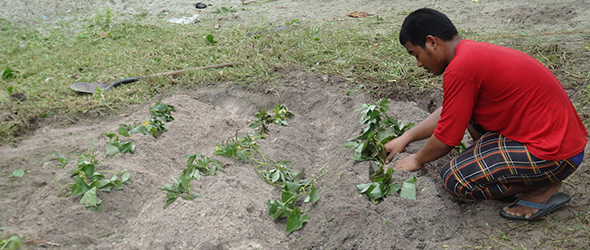
Chuuk CRE, for the first time, brought the community outreach programs to the remote islands of Satowan Atoll.  The island group is about 180 miles from Weno and has about 1,000 residents.  CRE agents provided 8 varieties of sweet potato to the traditional leader for multiplication and sharing.  These varieties were produced through climate change adaptation research in an effort to improve food security.

chuuk-590-250

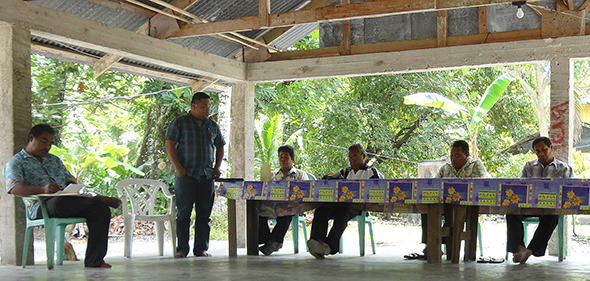
During the visit the CRE agents attended a meeting of the Municipal government leaders.  At that meeting the leaders reported their 2013 accomplishment reports and plans for 2014.  The CRE- Community Resource Development agent discussed ‘livelihood training’ in handicrafts, sewing, cooking and using local natural resources for food security.

The residents of Satowna, lead by Mayor Miaichy Assito expressed their appreciation and thanks to CRE.  They expressed the hope that CRE can soon offer all training programs for the benefit of Satowan and their neighboring islands.

CRD Agent, Kalvin Assito, met with the Mayor on Satowan and his people
CRD Agent, Kalvin Assito, met with the Mayor on Satowan and his people.

Filed Under: Chuuk Extension, News from land grants Tagged With: Chuuk, sweet potato

In vitro selection for salt tolerance in taro and sweet potato

February 10, 2014

KOSRAE, FSM. Dr. Virendra M. Verma, Researcher and Extension Specialist, Kosrae Agricultural Experiment Station.

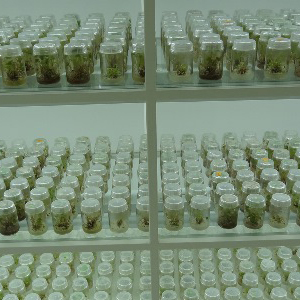
Bottles of tissue cultured taro.

In Vitro Selection for Salt Tolerance in Taro
Dr. Verma is Project Director of research project on In Vitro Selection for Salt Tolerance in Taro. Salinity, an abiotic stress that combines elements of water deficiency and sodium toxicity is among the most serious and widespread of agricultural problems on islands resulting in lost crop yield and arable land. Therefore, the efforts to develop salt-tolerant plants are of immense importance to increase crop productivity. In recent years, tissue culture based in vitro selection has emerged as a feasible and cost-effective tool for developing salt tolerant plants. Taro is one of the most important staple food crops in the Pacific Region for local consumption as well as for export. The crop contributes significantly to the socio-economics and provide livelihood to almost all island people and thus is crucial for ensuring nutritional and economic security.

In vitro selected salt tolerant taro plantlets with well-developed roots were acclimatized before transfer to the field. For acclimatization, the plantlets were transferred into pots containing sterile potting mix to avoid contamination and were kept in the greenhouse for subsequent 2-3 weeks. Acclimatized plants were then transferred to the nursery for maintenance. Fully acclimatized taro plants were evaluated for salt tolerance level in the field using randomized complete block design having 2’ distance between plants and 3’ between rows, ten plants per replication and six replications at two sites (coastal and inland) with susceptible local check in-between. Some plants of taro performed very well at coastal sites. In vitro conservation of selected salt tolerant taro germplasm for mass multiplication in future has been started.

Participants’ knowledge and skills about in vitro and in vivo selection techniques have been increased through collection and review of related literature, in vitro experimentation and conservation, establishment of nursery management system, development of high efficiency multiplication protocols, and production of elite seedlings.

Field days were organized at evaluation sites and participants from various municipalities attended and participated in the field days. The participants included enthusiastic small-scale farmers, producers, agriculture students, youths, extension agents, state government agricultural staff and agricultural professionals. During the field days, technical assistance and support were provided. Participants were encouraged to ask questions and appropriate answers were provided. All the participants showed great interest in the project and expressed willingness to participate in future training workshops.

Multi-color cultivation guide on taro has been developed, printed and distributed to all interested farmers.


In Vitro Selection for Salt Tolerance in Sweet Potato

KOSRAE, FSM. Dr. Virendra M. Verma, Researcher and Extension Specialist, Kosrae Agricultural Experiment Station. Dr. Verma is Project Director of research project on In Vitro Selection for Salt Tolerance in Sweet Potato. Salinity, an abiotic stress that combines elements of water deficiency and sodium toxicity is among the most serious and widespread of agricultural problems on islands resulting in lost crop yield and arable land. Therefore, the efforts to develop salt-tolerant plants are of immense importance to increase crop productivity. In recent years, tissue culture based in vitro selection has emerged as a feasible and cost-effective tool for developing salt tolerant plants. Sweet potato is one of the most important staple food crops in the Pacific Region for local consumption as well as for export. It contributes significantly to the socio-economics and provides livelihood to almost all island people and thus is crucial for ensuring nutritional and economic security.

Germplasm of different varieties of sweet potato collected from the Micronesia Region, have been planted and maintained in the greenhouse. Shoot apices were isolated from all varieties and inoculated on media to establish cultures. All varieties were established in vitro and maintained for further experiments. Different types of media were formulated by using various combinations of plant growth regulators along with other media components like organic and inorganic nutrients/minerals, vitamins and amino acids to develop suitable and efficient multiplication and maintenance protocols for all varieties. In vitro screening to study salt tolerance level in collected and tissue culture maintained germplasm of sweet potato has been started. Media formulation and preparation for in vitro screening for stress tolerance are under progress for sweet potato cultures. In vitro selected and acclimatized salt tolerant sweet potato plantlets will be further screened in the greenhouse and field.

Participants’ knowledge and skills about in vitro selection techniques have been increased through collection and review of related literature, in vitro experimentation, and development of high efficiency multiplication protocols.

Multi-color cultivation guide on sweet potato has been developed, printed and distributed to all interested farmers.

Filed Under: Kosrae Research, News from land grants Tagged With: Kosrae, salt tolerant, sweet potato, taro

Cooperative Research and Extension participated in launching “Fairotiw Fairota” youth organization

July 14, 2013

WENO, CHUUK, FSM.  Kalvin Assito, Youth Agent, Chuuk Cooperative Extension Service.

On June 26, 2013, a youth organization founded by Linda Mori-Hartmann, called “Fairotiw Fairota” hosted its first youth gathering at Bay View Building in Nepukos, Weno. This non-government organization (NGO) aims to teach the youth Chuukese cultural values through the assistance of government, other NGOs, private sectors and programs.  In particular, COM-FSM CRE will be involved in teaching these young people about moral values to resist alcoholism and other delinquent behavior, cultivating their interests to do gardening and developing income-generating skills like handicraft making.

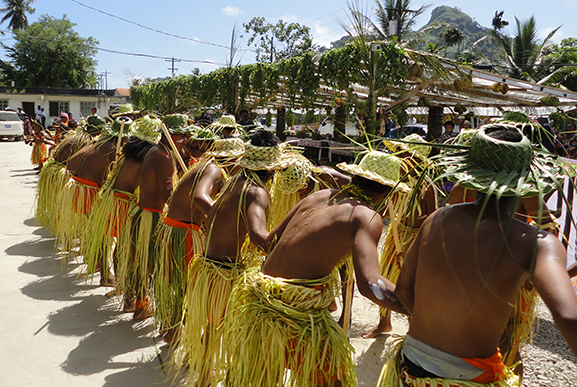
The Department of Health Director, Mayor of Weno, heads of various collaborating partners and the Chuuk Governor Johnson Elimo joined in this event.  Four other youth groups representing their islands performed traditional dances and songs that signified their own cultural values.

Chuuk Governor Johnson Elimo set himself as an example on how to value their lives and culture.  As a youth, he was under the influences of drugs that he realized was wrong. He knew that drugs make people miserable. The Governor encourages the youth to participate in worthwhile activities and groups like “Fairotiw Fairota” to ensure their lives have good purpose and high self-esteem.

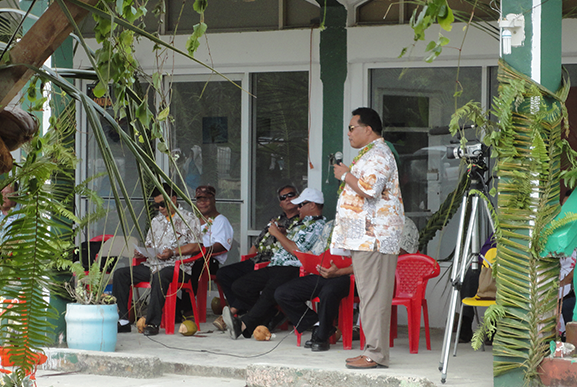
Chuuk Governor Johnson Elimo addresses gathering

Governor Elimo emphatically concluded to them, “Fear the Lord, who is the key fountain in life; value your lives together with your families, villages, islands and state and be actively involved in an organization such as this to understand the secret to life”.

Youth at meeting
Youth at meeting

Filed Under: Chuuk Extension, News from land grants Tagged With: Chuuk, youth

Extensive hands-on trainings on integrated sustainable agriculture for root crops, vegetables and fruit production

July 14, 2013

KOSRAE, FSM. Dr. Virendra M. Verma, Researcher/Extension Specialist, Kosrae Agricultural Experiment Station. 

The key concept of the project was to implement and demonstrate to small-scale farmers, a successful integrated sustainable agriculture system that is promising in island conditions and is safe for the environment. The project provided adequate opportunities to educate and train farmers and rural communities in on-farm implementation of sustainable agriculture systems through hands-on trainings including PowerPoint presentations.

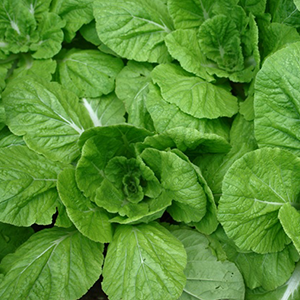
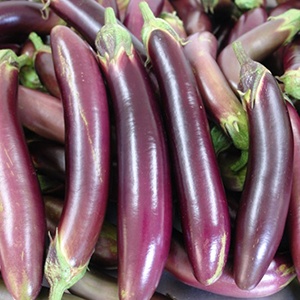
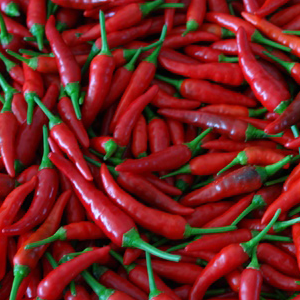
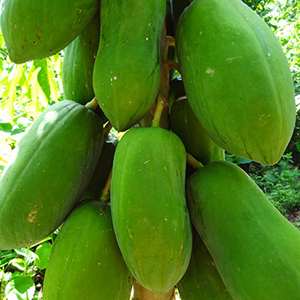
Project coordinator Dr. Verma, producers and participants maintained a high level of interest for development, implementation and demonstration of multiple integrated activities for cropping systems in a sustainable manner. Demonstration plots developed and used for demonstration of planned outreach activities to encourage establishment of integrated sustainable agriculture systems. At the project sites, vigorously growing crops, harvest of excellent sweet potatoes, bananas, eggplants, soft taro, pineapple, hot peppers, black pepper, watermelons, wax guard, Chinese cabbage and papaya attracted much attention of local communities.

Experiments are showing positive results and farmers are showing increased interest in developing agricultural farms. The extension activities have improved knowledge, created awareness and developed skills of participants in sustainable agriculture systems. Ultimately extension activities have developed positive attitudes, zeal for learning techniques and farming aspects, and have changed the behavior and economic condition of the participants.

Crops explored at workshop.

Banana
Banana

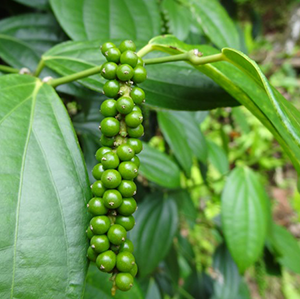
Black pepper
Black pepper

Chinese cabbage
Chinese cabbage

Eggplant
Eggplant

Hot pepper
Hot pepper

Papaya
Papaya

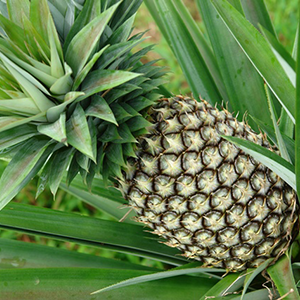
Pineapple
Pineapple

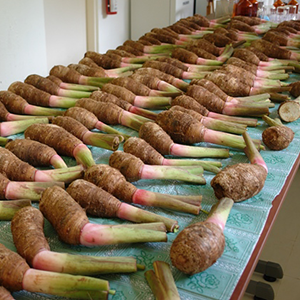
Soft taro
Soft taro

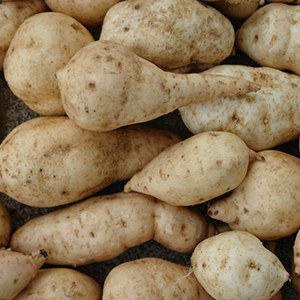
Sweet potato
Sweet potato

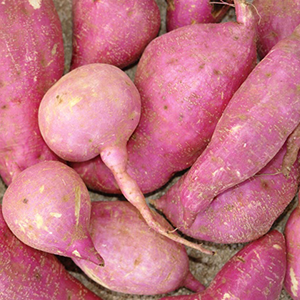
Sweet potato
Sweet potato

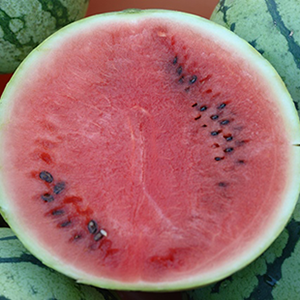
Watermelon
Watermelon

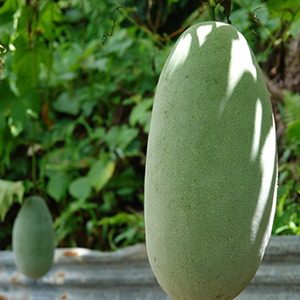
Wax gourd
Wax gourd

Filed Under: Kosrae Research, News from land grants Tagged With: fruits, Kosrae, root crops, training, vegetables

  • « Go to Previous Page
  • Page 1
  • Interim pages omitted …
  • Page 4
  • Page 5
  • Page 6
  • Page 7
  • Page 8
  • Interim pages omitted …
  • Page 10
  • Go to Next Page »

Copyright © 2025 College of Micronesia - Land Grant Program | P.O BOX 1179 Kolonia, Pohnpei FM 96941 | (691) 320-2462/2728