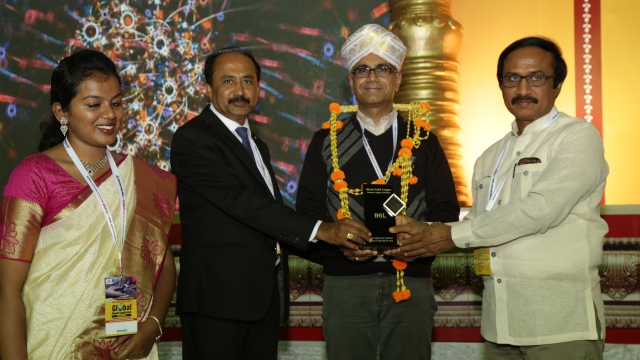

KOSRAE, FSM. Dr. Virendra M. Verma, Researcher and Extension Specialist, Kosrae Agricultural Experiment Station.
Black Pepper Micropropagation for Elite Seedling Production: Comparison of Local Practices and Commercial Cultivation Methods, is a multi-state research project approved by the United States Department of Agriculture, National Institute of Food and Agriculture (USDA-NIFA) for the Micronesian region. The project director of this project, Dr. Virendra M. Verma, shared that this project involves multiplication of elite and disease-free black pepper seedlings, and a comparative research study of local practices and commercial cultivation methods. The project aims towards developing sustainable black pepper production systems in Micronesia by providing elite and disease-free seedlings, appropriate recommendations for commercial black pepper production, and developing skills and improving the agricultural knowledge of local farmers. Adoption of new practices such as micropropagation of black pepper for improved and enhanced productivity will ultimately help in reviving local black pepper industry.
This project is of great significance as it is specifically designed to develop black pepper micropropagation and nursery management systems to produce elite seedlings in bulk quantities to ensure the year-round availability of identical, disease-free and high quality planting material, find alternatives for tree fern supports, determine appropriate fertilizer type and doses, along with the development and publication of a commercial black pepper cultivation guide appropriate for Micronesia.
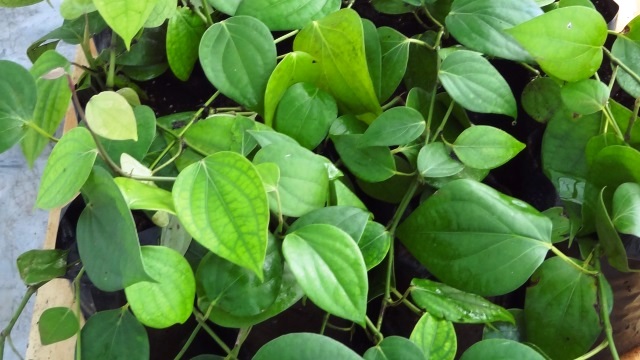
Black pepper (Piper nigrum L.) is a flowering vine of Piperaceae family, which is often cultivated for its berries that are usually dried and used as a spice. Native to the humid jungles of the Malabar Coast of Southwestern India, black pepper is currently cultivated worldwide in the tropics. In Micronesia, it is gaining commercial importance as an important cash crop. Traditionally, the trunks of large native tree fern (Cyathea nigricans), serve as supports for commercial black pepper cultivation. Two cultivars of the tree ferns are traditionally recognized, the preferred cultivar produces juice which stains red, and the other produces a greyish juice. However, the population of these tree ferns in the region is rapidly declining due to use of tree trunks for construction of traditional houses, and their short life-span.
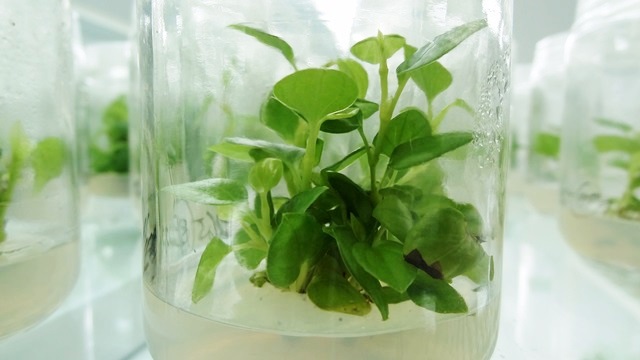
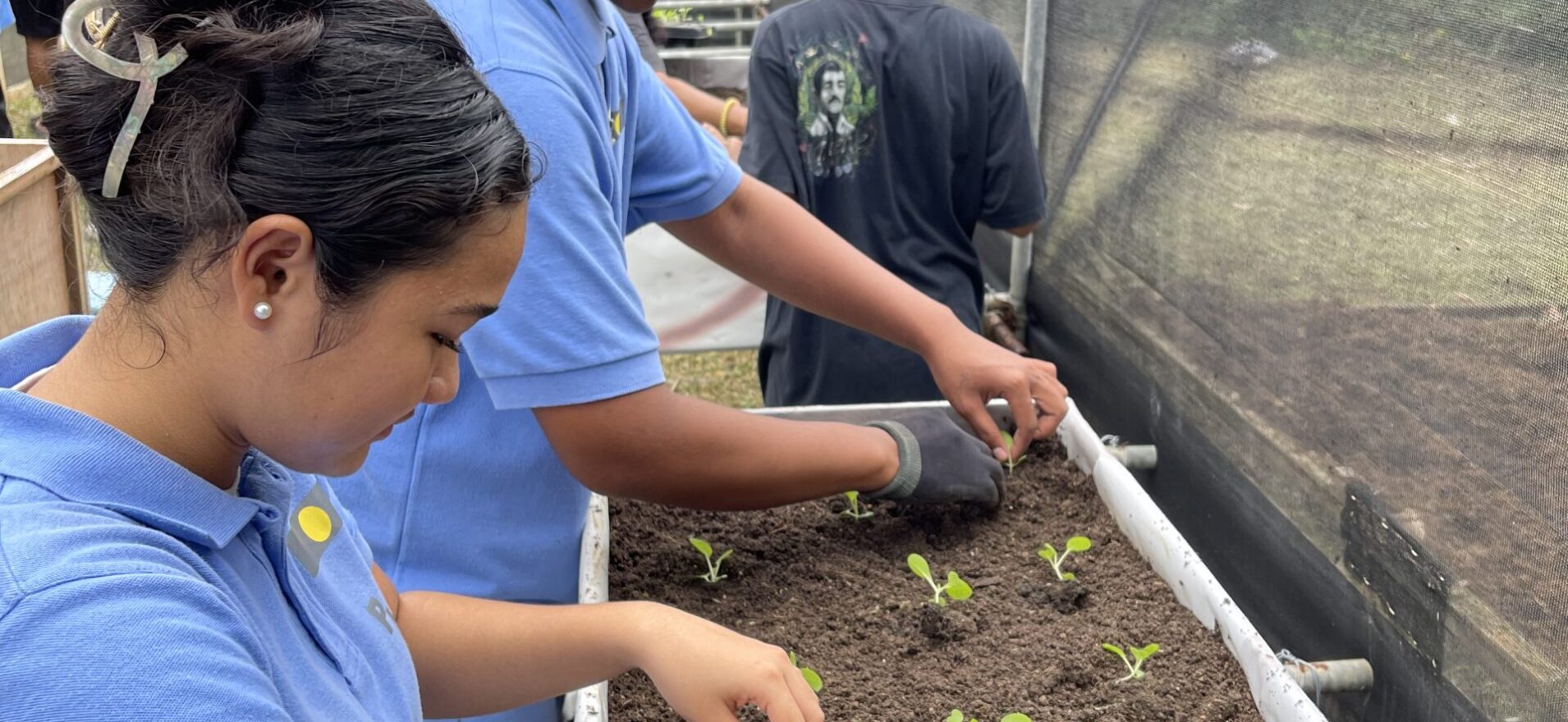
In this project, an economically feasible, efficient, rapid and reproducible in vitro multiplication protocol was developed for a locally preferred and commercially important black pepper cultivar (Piper nigrum cv. Srilanka). Murashige and Skoog, 1962 medium (MS) was used throughout the study. The cultures were initiated by inoculating shoot meristems as explants on MS medium augmented with various concentrations and combinations of cytokinins and auxins. To prevent the browning of explants, 100mgL-1 ascorbic acid was added to all media. The best culture initiation was observed on the MS medium augmented with 5µM 6-benzylaminopurine (BAP). For further growth and subsequent multiplication, the established cultures were transferred on MS medium augmented with 1µM BAP. The number of multiple shoots produced from each explant after two subcultures varied from 8 to 20. A 16-h photoperiod with a temperature of 24oC day and night, light intensity of 40µmol m-2 s-1, and 60% relative humidity were maintained for multiplication. Developed multiple shoots were transferred on MS medium augmented with 2µM indole-3-acetic acid for rooting. Complete plantlets were transferred to soil: vermiculate (1:1, v/v) mixture in 72-cell trays and acclimatized with 68% survival rate in 10 weeks. Fully acclimatized plants were planted in the field.
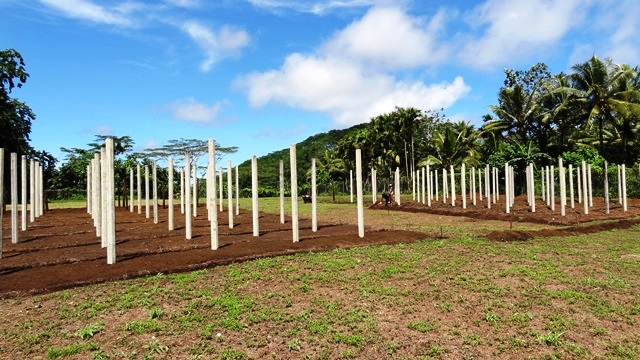
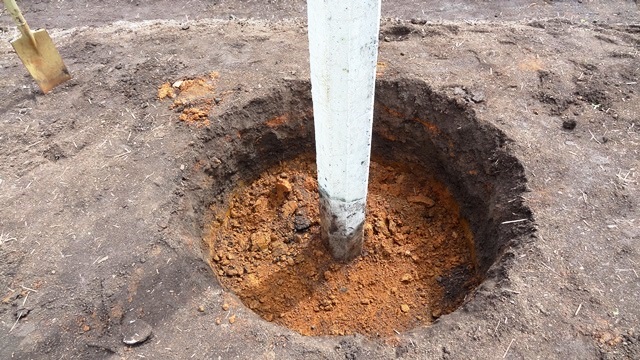
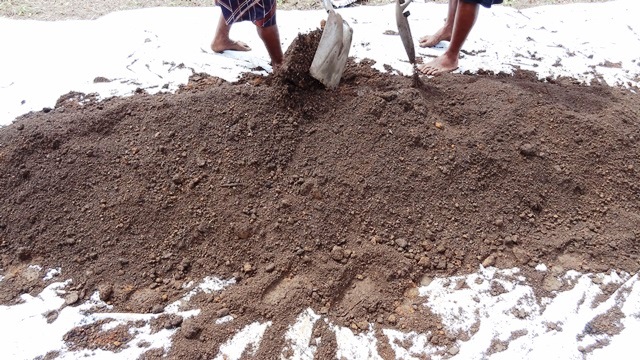
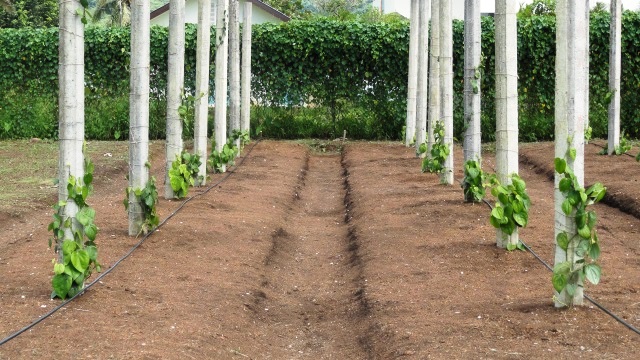
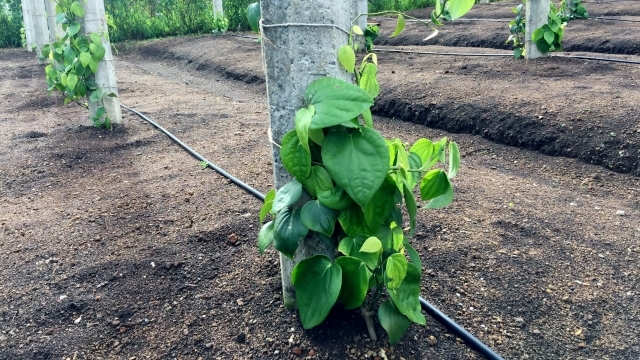
Considering the extremely limited availability of traditional tree fern supports and their very short lifespan, non-living supports such as reinforced cement-concrete standards have been specifically designed and constructed at the project’s pilot site to support the vines of fully acclimatized black pepper plants in the field. In addition, raised beds to ensure perfect water drainage, organic fertilizers for soil amendment along with organic mulching, and automatic fertilizer injectors to provide perfect nutrition, were used for the establishment and maintenance of black pepper plantations.
The successful implementation of this project has resulted in the development of a high efficiency in vitro multiplication method for the mass production of elite, diseases-free seedlings, and the acclimatization of hundreds of tissue-culture raised plants of selected black pepper cultivar through appropriate nursery management systems. Preparation has been done for designing, implementing and conducting research trials for commercial black pepper cultivation at multiple sites. The development and publication of a commercial black pepper cultivation guide to specifically suit the needs of local farmers, is also underway. To carry out research, extension, and education activities of the project, two sites in Micronesia will be developed as demonstration sites. At these sites appropriate recommendations will be provided for sustainable black pepper production through training workshops, hands-on trainings, farm visits, and field days, which will encourage and promote sustainable commercial black pepper production among local farmers in the region.
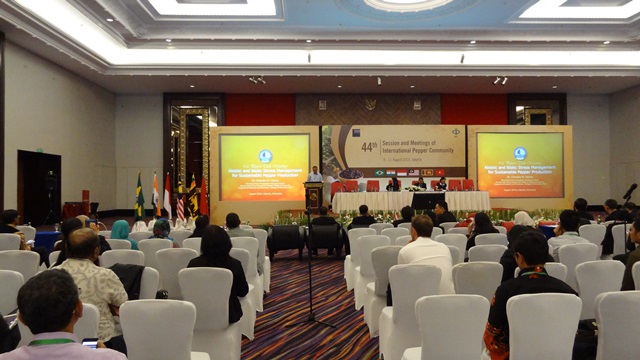
To disseminate the scientific and technical knowledge gained from the project further, Dr. Verma has participated as a prominent speaker and resource person in various conferences. His contributions specifically informed abiotic and biotic stress management for sustainable pepper production in Micronesia, and served as a guiding source for other black pepper producing countries.