


Contingency Plan for U.S. Government Shutdown
Scenario: ASAP Drawdown is NOT Available
1.Purpose
This contingency plan establishes the actions to be taken in the event a U.S. Government Shutdown that prevents access to funds through the Automated Standard Application for Payments (ASAP) System. The plan ensures continuity of essential Land Grant operations, protects employees, and maintains compliance with federal and institutional policies until funding access is restored.
2.Scope
This plan applies to all Land Grant programs and projects administered by the College of Micronesia Land Grant Program and partner colleges (College of the Marshall Islands, Palau Community College, College of Micronesia-FSM), including:
- Cooperative Research and Extension (CRE)
- Agricultural Experiment Station (AES)
- Cooperative Extension Services (CES)
- Expanded Food and Nutrition Education Program (EFNEP)
3. Key Assumptions
- ASAP system will not allow drawdowns during the federal shutdown.
- Funds previously drawn and deposited into local accounts remain accessible. (if there is)
- •Institutional reserved may be considered for temporary support, subject to Board of Regents approval.
- •Federal reporting requirements remain in effect unless explicitly suspended by USDA-NIFA.
- •Shutdown duration is unknown; plan covers both short-term and extended disruptions.
4. Plan of Action
A. Financial Management
- Freeze Non-Essential Expenditures – Limit spending to essential activities (e.g., personnel salaries, utilities, existing contractual obligations.)
- Cash Flow Monitoring – Central Office and Partner colleges should monitor their cash balance as reimbursement of expenditures may be delayed.
- Prioritization of Obligations – Payments will prioritize:
- Employee salaries and benefits
• Safety- and compliance-related program activities
• Time-sensitive experiments (e.g., ongoing agricultural trials)
4. Alternative Funding Sources – Explore temporary internal bridging mechanisms (Endowment fund, Local funds/BOR funds, Matching funds where allowable)
5. Vendor/Contractor Communication – Notify contractors/vendors/Partners of potential delays in federal reimbursements and negotiate extensions where feasible.
B. Program Continuity
• Prioritization of Activities – Continue only activities that are essential to health, safety, compliance, or that prevent program disruption. Defer new projects until funding access resumes.
• Staffing – Retain core staff necessary to maintain critical services; defer overtime and non-essential travel. Defer new hiring of personnel if possible and feasible.
• Reporting – Prepare all reports on time, even if submission systems are down, to ensure readiness once federal systems are operational. (e.g. RFP required documents)
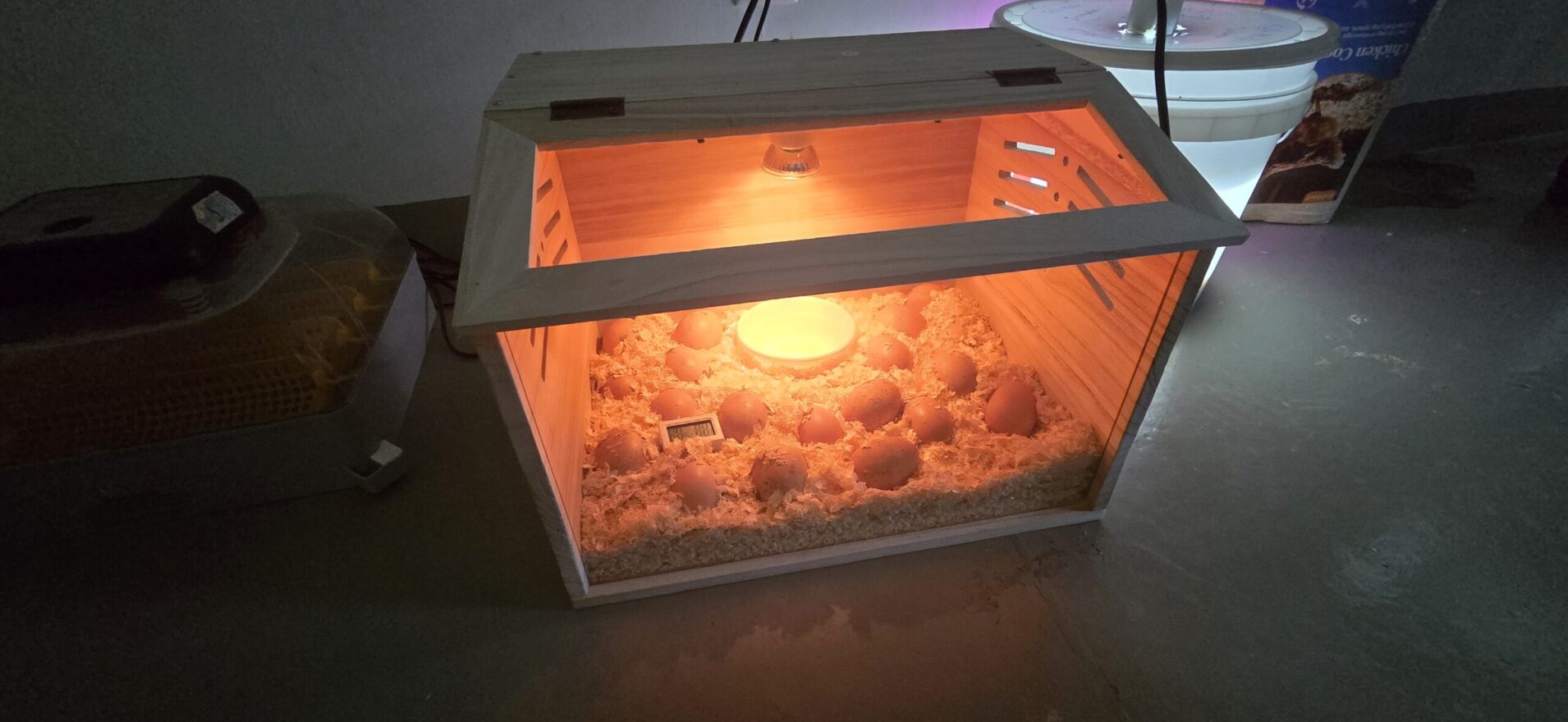
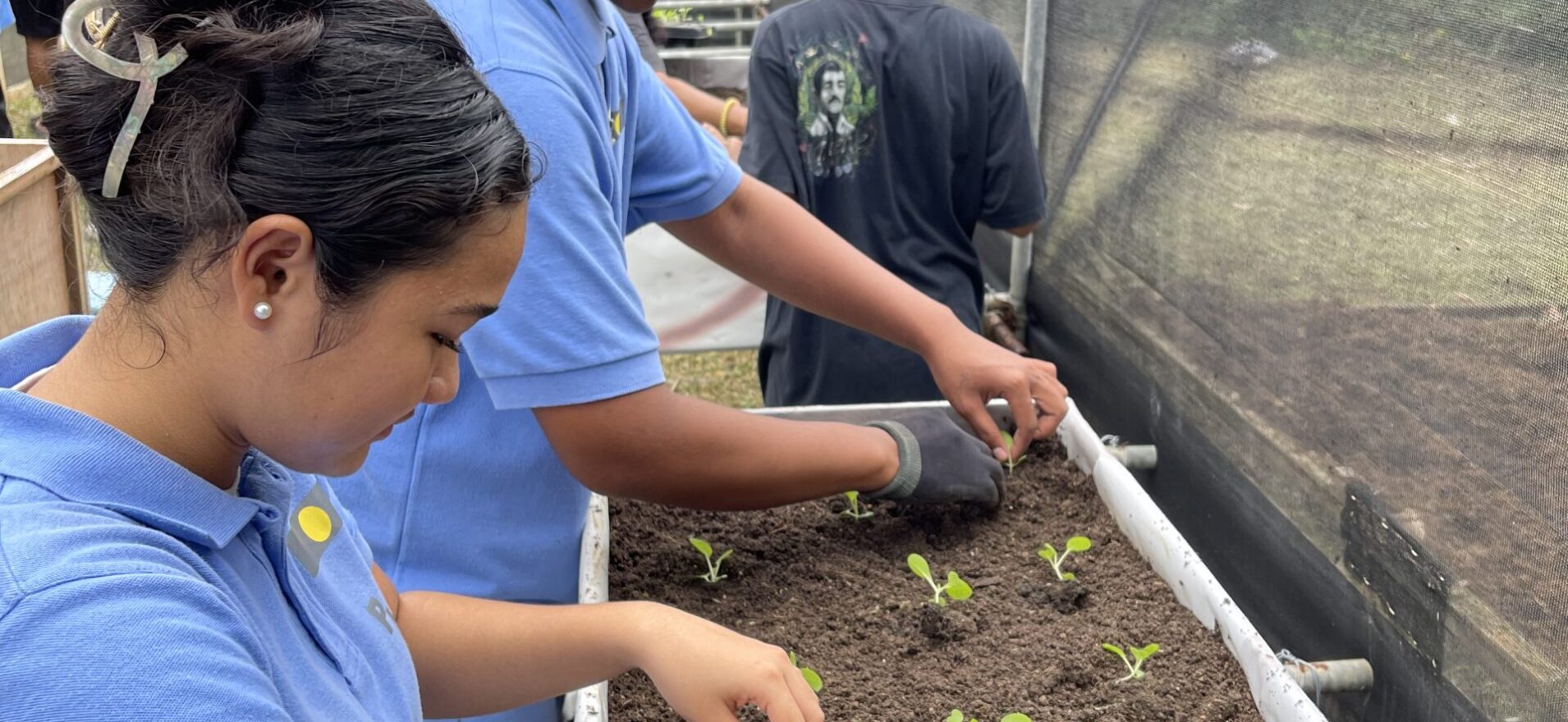
• Research Protection – Ensure that live animals, plants, and ongoing field experiments are sustained to prevent irreversible loss.
C. Communication
- Internal Communications – Provide regular updates to leadership, program directors, and staff regarding financial status and operational adjustments.
- External Communication – Maintain contact with federal grant officers and financial officials to document impact of the shutdown. (if federal grant officers are available)
- Stakeholder Notification – Inform partners, subrecipients, and beneficiaries of potential delays in reimbursements or payments or service delivery.
- Risk Mitigation
- Maintain detailed records of all expenditures and obligations incurred during the shutdown.
- Document all communications with federal agencies and stakeholders.
- Ensure compliance with federal regulations (2 CFR 200) even during restricted funding flow.
- Develop a recovery plan for rapid resumption of ASAP drawdowns once the system is available.
- Recovery and Post-Shutdown Actions
- Resume ASAP drawdowns immediately once federal access is restored.
- Prioritize clearing backlog obligations (payroll, vendors, contractors, partners).
- Reassess program budgets and adjust schedules for postponed activities.
- Submit required financial and programmatic reports to USDA/NIFA, including documentation of shutdown-related delays.
- Approval and Implementation
- This plan shall be effective immediately upon announcement of a U.S. Government shutdown and will remain in effect until funding access with ASAP is restored. It shall be reviewed and approved by the Executive Director with coordination with the Vice Presidents for Cooperative Research and Extension.
An Equal Opportunity Employer